Passenger & two-wheeler tyres
Tyres arising from cars, motorcycles, scooters and similar applications.
 Let’s talk
 04 / TYRE WASTE
Connect tyre-related EPR planning, collection requirements, recycling coordination and programme records with a service scope built around your business activity.
Discuss your requirements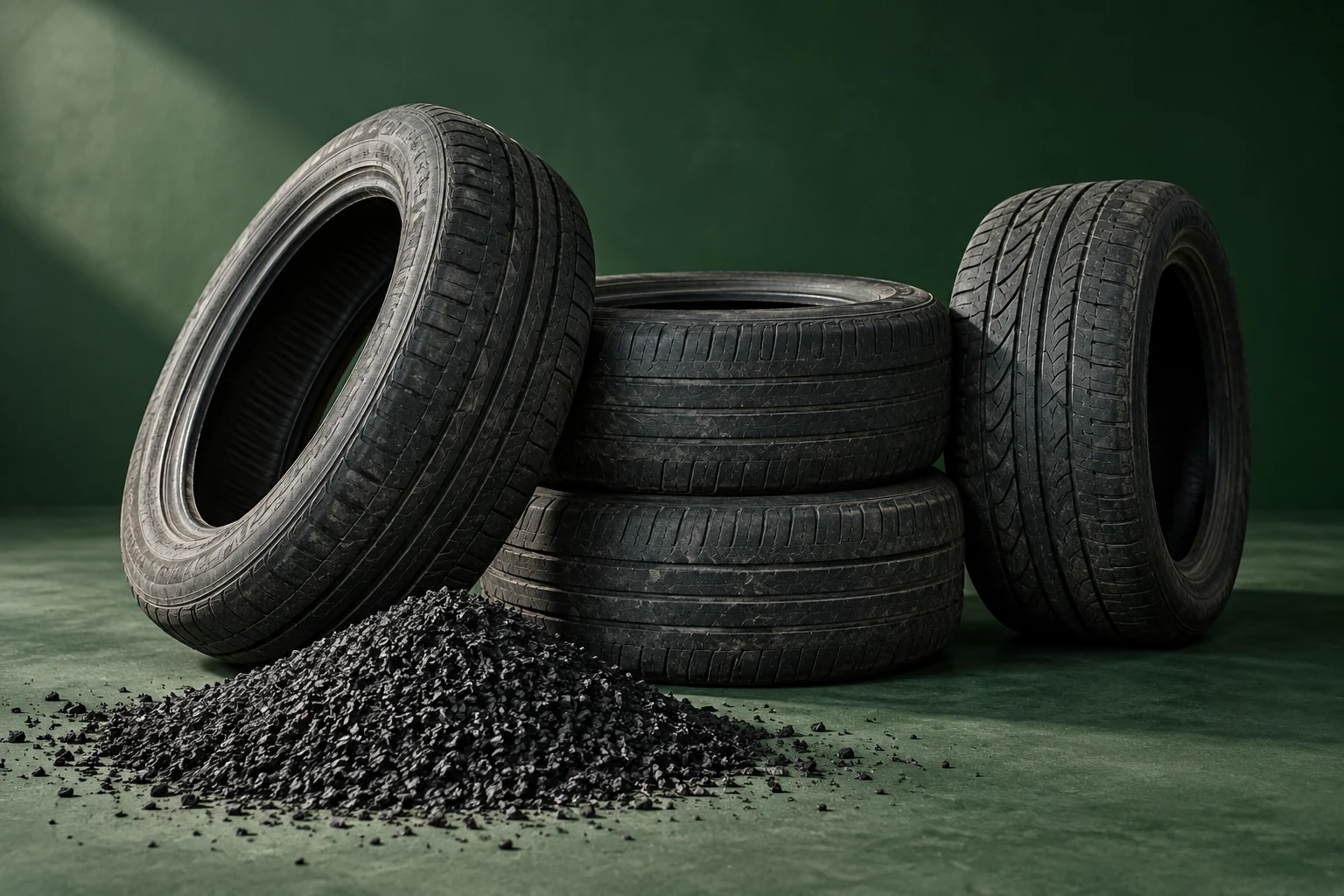
UNDERSTAND YOUR STARTING POINT
Waste tyre EPR distinguishes producers, recyclers and retreaders. The review begins with your activity: manufacturing or selling tyres, importing tyres or vehicles, handling waste tyres, or arranging a route for tyres from your own operations.
Recycle Veda helps organise the business and quantity information behind your enquiry, then connect the relevant registration, recycling coordination and reporting support. Retreading and recycling need to be considered separately in programme records.
Tyre type, quantity and condition help frame the collection and processing discussion. The intended route and the provider’s relevant registrations should be established before work begins.
Tyres arising from cars, motorcycles, scooters and similar applications.
Truck, bus and light-commercial vehicle tyres.
Tyres associated with specialist equipment and off-road applications.
Distinct activities that need suitable providers and separate treatment in EPR records.
RECYCLE VEDA / SERVICE SCOPE
Choose the support your team needs.
Agree the scope before work begins.
Identify the manufacturing, sales, import or waste-handling activities that define the programme.
Organise company details and relevant activity records for registration support within the agreed scope.
Bring manufacturing, sales, import or waste tyre quantities into a practical service plan and budget.
Connect collection locations, tyre quantities and recycler-related requirements across the programme.
Discuss the relevant recycling or retreading records and how they fit into the programme’s documentation.
Organise transaction and quantity information to support agreed reporting and filing activities.
HOW WE WORK WITH YOU
Identify the tyre-related business role, stream and available records.
Confirm registration, quantity data, collection needs and budget.
Connect agreed recycling or retreading requirements with suitable provider discussions.
Bring activity, transaction and relevant certificate information together.
PREPARE FOR YOUR FIRST CONVERSATION
State whether the enquiry concerns new tyres, used tyres from operations, imported vehicles or waste tyre imports. These activities should not be treated as one interchangeable category.
Discuss tyre wasteAn initial preparation guide. The final document set is confirmed for your activity and the services agreed.
YOUR QUESTIONS, ANSWERED
Need to discuss a specific product, waste stream or business activity?
Ask our teamThe producer definition includes importing vehicles fitted with new tyres. The activity and the associated tyre quantities should be reviewed when defining your requirements.
Not merely because its vehicles generate waste tyres. Producer status depends on the business activities described in the framework; waste handover needs should be considered separately.
No. Retreading has a separate role and can support deferment of the relevant EPR obligation. It is not the same as permanently fulfilling that obligation through the required recycling route.
Producer, recycler and retreader roles are distinct. If a business performs more than one activity, the relevant registrations need to be reviewed for each role.
Describe your activity, tyre types, approximate quantities, locations and existing registrations. If imports are involved, specify whether these concern tyres, vehicles or waste tyres.
Use the rules, amendments and current portal guidance together when reviewing the requirements for your activity.
ONE PARTNER. MORE POSSIBILITIES.