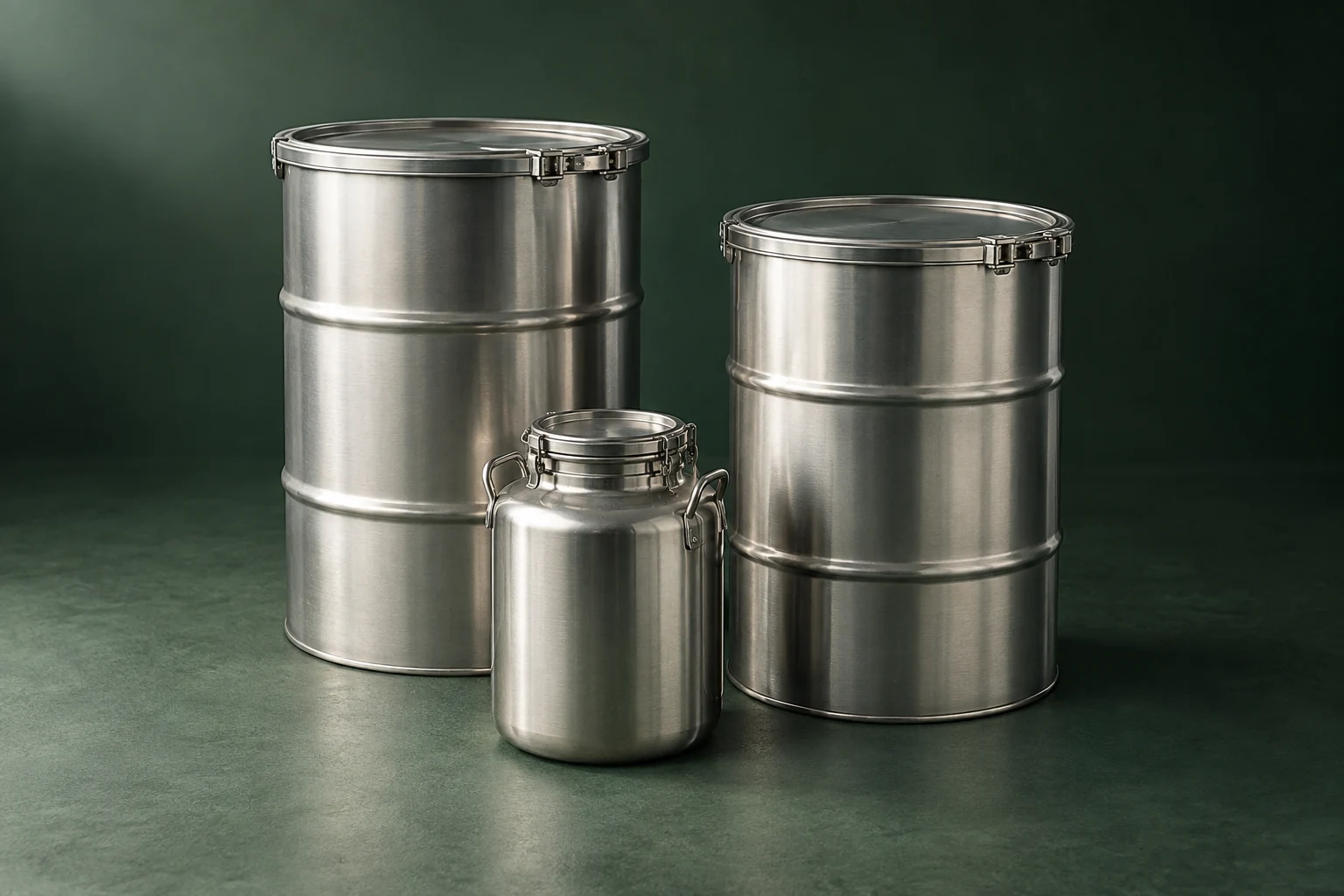
Source & application
Identify the machinery, vehicle or process from which the oil arises.
 Let’s talk
 05 / USED OIL
Bring used oil requirements into focus with business-role assessment, collection and recovery coordination, relevant EPR support and organised programme records.
Discuss your requirements
UNDERSTAND YOUR STARTING POINT
The used oil framework separates producer and importer responsibilities from the duties of businesses that generate, collect or recycle used oil. An enquiry should begin with the source and type of oil, your business activity and the quantities involved.
Recycle Veda helps structure that information and coordinate the services you need. The scope can focus on used oil collection and recovery requirements, relevant EPR documentation, or a connected programme covering both.
Used lubrication oil is different from used cooking oil or a mixed industrial residue. The description and available information should establish the appropriate management route.
Identify the machinery, vehicle or process from which the oil arises.
Share the lubricant type and available information about contamination or mixing.
Provide approximate volumes, generation patterns and the sites involved.
Clarify the required collection support and the relevant receiving facility details.
RECYCLE VEDA / SERVICE SCOPE
Choose the support your team needs.
Agree the scope before work begins.
Organise the business activity, oil description and existing arrangements to define the right starting point.
Discuss registration and documentation support where producer or importer EPR requirements apply.
Bring service requirements, locations, quantities and collection priorities into an agreed scope.
Connect the practical requirements for handover and collection with specialist provider discussions.
Review the information required for the intended recovery route and the relevant registered or authorised entities.
Organise the transaction, quantity and certificate information relevant to your agreed programme.
HOW WE WORK WITH YOU
Identify the oil, its source, business role and available records.
Separate applicable EPR support from collection and handover needs.
Confirm the agreed collection, receiving-facility and recovery requirements.
Bring quantity, transaction and relevant EPR information together.
PREPARE FOR YOUR FIRST CONVERSATION
Tell us about mixed, contaminated or otherwise uncertain oil streams before arranging collection. The intended route needs to reflect the actual material and the receiving facility’s permissions.
Discuss used oilAn initial preparation guide. The final document set is confirmed for your activity and the services agreed.
YOUR QUESTIONS, ANSWERED
Need to discuss a specific product, waste stream or business activity?
Ask our teamNot automatically. A factory or vehicle operator generating used oil has a different role from a producer or importer covered by the EPR provisions. The activity and applicable handover duties should be reviewed separately.
This page concerns the used oil framework for base and lubrication oils. Used cooking oil is a different stream; describe the material clearly before discussing a service scope.
That should not be assumed. Contamination, composition and the receiving facility’s permissions affect the appropriate route. Share available waste information at the beginning of the enquiry.
No. Physical collection documentation and EPR certificate records serve different purposes. Relevant registration, recycling and portal requirements need to be considered where EPR applies.
Yes. Discuss the actual support required, locations and quantities so the scope can focus on your collection and recovery coordination needs.
Use the rules, amendments and current portal guidance together when reviewing the requirements for your activity.
ONE PARTNER. MORE POSSIBILITIES.